If you’ve been told you’re in Stage 4 chronic kidney disease (CKD), it can feel like everything just got more serious… because it did.
But here’s the truth most people don’t hear clearly enough:
👉 Stage 4 is not the end.
👉 It’s a turning point.
👉 And what you do now matters more than ever.
This is the stage where your habits, your mindset, your diet, and your medical care can either:
- Slow things down significantly, or
- Accelerate progression toward kidney failure
This guide will walk you through:
- The real difference between Stage 3 and Stage 4
- What to expect physically and mentally
- How fast CKD progresses (and what affects that)
- The most important habits at this stage
- Diet changes (and why working with a renal dietitian is critical)
- Treatment options and preparing for the future
Let’s break it down honestly—but with hope.
What Is Stage 4 Kidney Disease?
Stage 4 CKD means your kidneys have severely reduced function, with an eGFR between 15 and 29.
At this point:
- Waste builds up more easily
- Fluid balance becomes harder to regulate
- Complications become more likely
- Symptoms often become more noticeable
You are approaching kidney failure (Stage 5), but you are not there yet.
And that distinction matters.
Stage 3 vs Stage 4: What Actually Changes?
Many people move from Stage 3 to Stage 4 without fully understanding the shift.
Here’s the difference in real terms:
Stage 3 (Moderate Damage)
- eGFR: 30–59
- Often mild or no symptoms
- Early warning stage
- Focus: prevention and awareness
Stage 4 (Severe Damage)
- eGFR: 15–29
- Symptoms become more common
- Complications increase
- Focus: slowing progression + preparing for next stage
In Stage 3, you still have a lot of buffer.
In Stage 4, that buffer is smaller—and your margin for error tightens.
Common Symptoms in Stage 4 CKD
Not everyone experiences symptoms the same way, but many people start noticing:
- Fatigue and low energy
- Swelling (hands, feet, face)
- Changes in urination
- Muscle cramps
- Trouble sleeping
- Loss of appetite
- Brain fog
These symptoms happen because your kidneys are no longer filtering waste and balancing fluids effectively.
How Fast Does Stage 4 Progress to Kidney Failure?
This is one of the biggest questions—and the most misunderstood.
The honest answer:
There is no single timeline.
Some people progress:
- In months to a few years
Others:
- Stay stable for many years
Research shows progression varies widely depending on:
- Blood pressure control
- Diabetes management
- Diet and lifestyle
- Medication adherence
- Genetics and underlying cause
Life expectancy and progression can range from over a year to more than 15 years, depending on these factors.
The Most Important Truth About Stage 4
This stage is not just about decline.
It’s about decisions.
Because:
👉 Slowing progression is still very possible
👉 Symptoms can be managed
👉 Quality of life can remain high
But it requires intention.
The Habits That Matter Most at Stage 4
At this stage, “basic healthy living” is no longer optional—it’s critical.
1. Blood Pressure Control
High blood pressure is one of the biggest drivers of kidney damage.
Keeping it controlled:
- Reduces stress on kidneys
- Slows decline
- Protects your heart
2. Blood Sugar Control (If Diabetic)
Uncontrolled blood sugar accelerates kidney damage significantly.
Even small improvements can:
- Slow progression
- Reduce complications
3. Medication Adherence
Medications like:
- ACE inhibitors
- ARBs
- SGLT2 inhibitors
Are often prescribed to:
- Reduce protein in urine
- Protect kidney function
4. Physical Activity
Even light movement:
- Improves circulation
- Supports heart health
- Helps manage blood pressure
5. Avoid Kidney Stressors
Limit or avoid:
- NSAIDs (like ibuprofen)
- Smoking
- Excess alcohol
6. Consistency Over Perfection
The biggest mistake?
Trying to be perfect… and burning out.
What matters most:
👉 Consistent, sustainable habits
Diet in Stage 4 CKD: This Is Where Things Get Serious
Diet becomes one of the most powerful tools at this stage.
But also one of the most confusing.
Why Diet Matters More Now
Your kidneys can no longer regulate:
- Sodium
- Potassium
- Phosphorus
- Fluid
So food directly impacts:
- Symptoms
- Lab results
- Disease progression
A kidney-friendly diet helps:
- Slow damage
- Prevent dangerous imbalances
- Maintain energy and nutrition
The Key Nutrition Priorities
1. Protein (Less, But Better)
Too much protein:
👉 Creates more waste your kidneys must filter
Reducing protein intake may delay progression to Stage 5.
Focus on:
- Smaller portions
- High-quality sources
2. Sodium (Salt)
Too much sodium:
- Raises blood pressure
- Causes fluid retention
Typical goal:
👉 Around <2,300 mg/day or lower
3. Potassium
High potassium can:
- Affect heart rhythm
- Become dangerous quickly
Your levels determine whether you:
- Limit or monitor closely
4. Phosphorus
Too much phosphorus:
- Weakens bones
- Causes itching and joint pain
Many processed foods contain hidden phosphorus additives.
5. Fluids
As kidney function declines:
- Fluid retention may increase
- You may need restrictions
Signs include swelling and rapid weight gain.
Why You NEED a Renal Dietitian
This is not optional at Stage 4.
Because:
👉 There is no “one-size-fits-all kidney diet”
Your needs depend on:
- Lab results
- Medications
- Other conditions
A renal dietitian will:
- Personalize your intake
- Help you still enjoy food
- Adjust your plan over time
And in many cases:
👉 Insurance (including Medicare) covers visits
What You Can Still Eat (Yes, There’s Good News)
Many people assume Stage 4 means “everything is off limits.”
That’s not true.
You can still enjoy:
- Fresh fruits and vegetables (based on potassium needs)
- Lean proteins
- Rice, pasta, breads
- Healthy fats
A kidney diet is not about restriction—it’s about balance and precision.
Treatment in Stage 4 CKD
There is no cure for CKD—but treatment is very effective at slowing it.
1. Medications
Used to:
- Control blood pressure
- Manage blood sugar
- Reduce protein leakage
- Balance minerals
2. Monitoring
You’ll likely have:
- Frequent lab tests
- Regular nephrologist visits
This helps catch complications early.
3. Preparing for the Future
This is a hard but important part.
In Stage 4, your care team may begin discussing:
- Dialysis options
- Kidney transplant evaluation
Not because it’s happening tomorrow…
But because preparation leads to better outcomes.
Dialysis and Transplant: What to Know
If progression continues to Stage 5:
Dialysis
- Filters waste from your blood
- Can be done in-center or at home
Kidney Transplant
- Offers the best long-term outcomes for many people
- Requires evaluation and waitlist
Important:
👉 Not everyone progresses to Stage 5
👉 And even if they do, it may take years
The Emotional Side of Stage 4
This stage isn’t just physical.
It’s mental.
You may feel:
- Fear
- Frustration
- Uncertainty
That’s normal.
But here’s what matters:
👉 You still have influence over your future
👉 You still have time to make meaningful changes
👉 You are not powerless
How to Slow Progression (Real Talk)
If you take nothing else from this guide, take this:
The people who do best in Stage 4:
- Stay consistent with habits
- Work closely with their care team
- Adjust their diet intentionally
- Stay informed—but not overwhelmed
And most importantly:
👉 They take ownership
Final Summary: What Stage 4 Really Means
Stage 4 CKD is serious—but it is not the end.
It means:
- Your kidneys are significantly damaged
- Your margin for error is smaller
- Your actions matter more than ever
But it also means:
✨ You can still slow progression
✨ You can still feel better
✨ You can still live well
This is your window to act.
Ready to Take Action?
If you’re reading this, you already care about your health—and that matters more than you realize.
But information alone isn’t enough.
At Stage 4, what you really need is:
- A clear plan
- The right guidance
- Support you can actually follow consistently including meal planning and the right supplements
Ready to take action?
I highly recommend checking out the most complete and holistic Kidney Disease Program.
📲The Kidney Disease Solution
https://thrivingwithckd.bcns.link/KidneySolution
It’s the exact program I wish I had years ago when I was battling CKD on my own—trying to figure out diet, labs, symptoms, and what actually works.
Instead of guessing, you get:
- Step-by-step guidance
- Kidney-friendly nutrition strategies
- Lifestyle habits that actually slow progression
- Real-world support for living with CKD
Because the goal isn’t just to “manage” kidney disease…
👉 It’s to take back control of your health and your future. Here’s the link for more info:
📲The Kidney Disease Solution
https://thrivingwithckd.bcns.link/KidneySolution
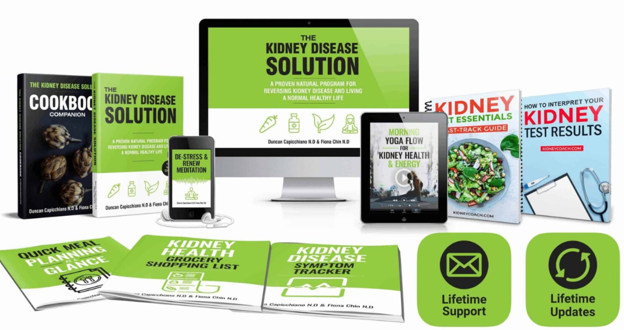
This is not my program, but I am a paid affiliate.
Key Takeaways
- Stage 4 CKD = eGFR 15–29 (severe decline)
- Progression varies widely—months to many years
- Diet, blood pressure, and lifestyle are critical
- Working with a renal dietitian is essential
- Treatment focuses on slowing progression and managing complications
- Preparation—not panic—is the goal
Resources (Cited)
- National Kidney Foundation – Nutrition & CKD
- NIDDK – Healthy Eating for CKD
- American Kidney Fund – Kidney-Friendly Eating Plan
- DaVita – Stage 4 CKD Diet Guidelines
- Capital Nephrology – Phosphorus & Potassium Guidance
- Kidney.org – Sodium Recommendations
- Verywell Health – Stage 4 CKD Overview


