
Ratios, Food Lists, and Practical Tips for Everyday Eating:
Living with chronic kidney disease (CKD) can make eating feel complicated—especially as you try to balance potassium, phosphorus, sodium, protein, and overall calories. The good news: you don’t need to memorize endless rules to eat well. A “perfect plate” approach gives you a simple, visual way to portion your meals so you support kidney health, maintain energy, and enjoy your food.
Below, we’ll walk through a comprehensive guide to the CKD-friendly perfect plate—covering the recommended ratios of vegetables, carbohydrates, protein, and healthy fats, examples of kidney-friendly foods, and simple strategies to tailor your plate to Stage 3 CKD and similar needs. Always remember: individual needs vary based on your labs (potassium, phosphorus, sodium), medications, and other conditions (e.g., diabetes, heart disease). Partner with your physician and renal dietitian for personalized guidance.
What Is the CKD “Perfect Plate”?
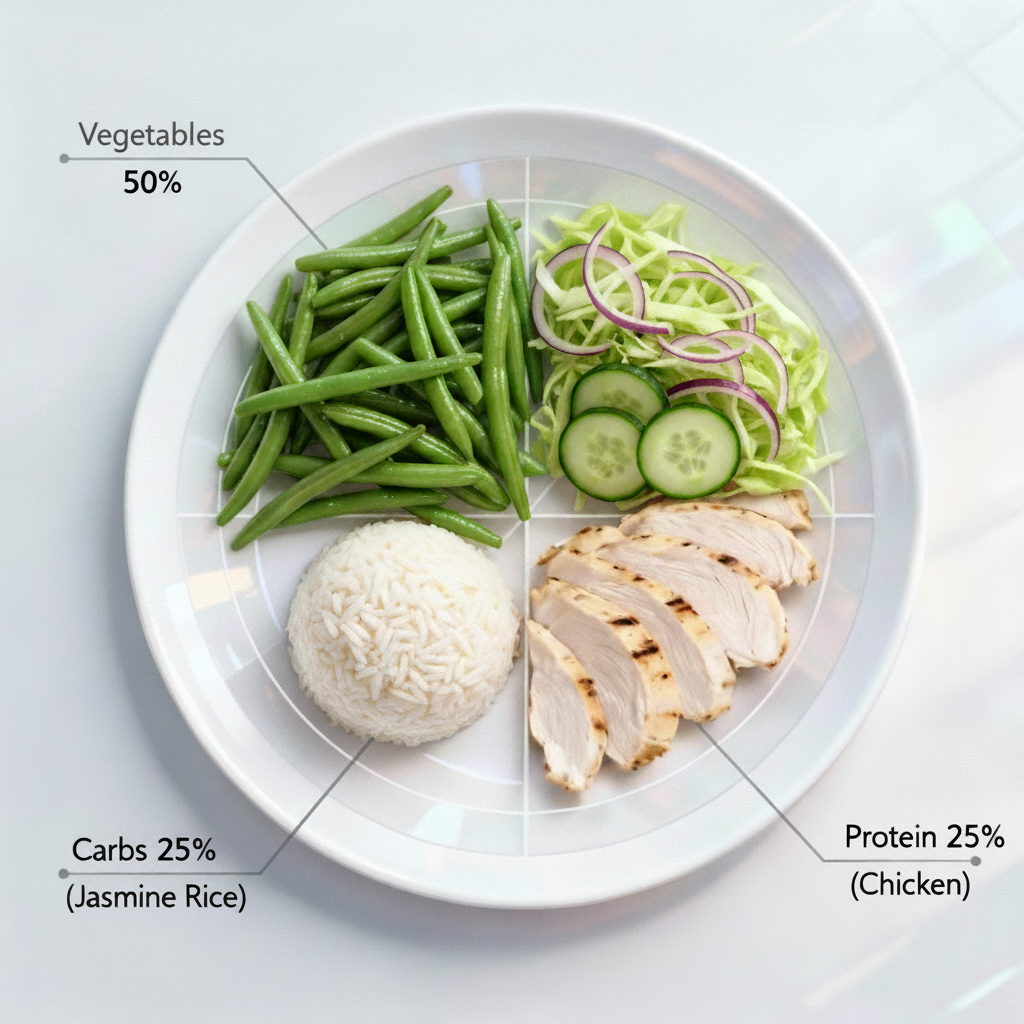
The perfect plate is a balanced meal model that helps you visualize portions on a single plate. It’s not a rigid “diet”—it’s a flexible template. For many adults with Stage 3 CKD (and no conflicting conditions), a practical starting point is:
- Vegetables: 50% of the plate (focus on low-potassium, non-starchy choices)
- Carbohydrates: 25% of the plate (potassium- and phosphorus-conscious)
- Protein: 25% of the plate (lean, moderated portion)
- Healthy fats: used sparingly as a dressing or drizzle (not a separate wedge)
These ratios help you:
- Prioritize fiber-rich, low-potassium vegetables that add volume and nutrients without overloading potassium or phosphorus.
- Keep protein controlled—enough to maintain muscle and function, but not so high that it increases kidney workload.
- Include carbs in a portion-controlled way that fits your energy needs without spiking potassium.
- Add small amounts of heart-healthy fats to improve flavor and satisfaction without driving up sodium.
Your renal dietitian may adjust these ratios if your potassium or phosphorus runs high, if you’re on dialysis (different needs), or if you have diabetes or heart failure.
Vegetables (50%): Build a Kidney-Friendly, Low-Potassium Base
Filling half your plate with non-starchy, kidney-friendly vegetables gives you fiber, antioxidants, and volume—all with minimal potassium and sodium. Choose fresh or lightly cooked vegetables, and season with herbs, spices, citrus, and a small amount of olive oil instead of salt.
Kidney-friendly vegetable ideas to feature
- Leafy base: green leaf lettuce, romaine, butter lettuce, iceberg (crisp and low in potassium)
- Crunchy add-ins: shredded green cabbage, cucumbers, bell peppers (red/yellow), radishes
- Cooked options: cauliflower florets, green beans, zucchini, yellow squash, carrots (portion modestly if potassium is a concern)
- Flavor boosters: red onion (thinly sliced), scallions, fresh herbs (parsley, dill, basil)
Vegetables to limit or portion carefully (depending on labs)
- High-potassium items like tomatoes, spinach, beets, and potatoes
- Mushrooms (phosphorus can add up)
- Dark leafy greens like Swiss chard in large amounts
- Avocado (high potassium)
Pro tips
- Use “leaching” techniques for higher-potassium vegetables when needed (soaking and double-cooking potatoes if used occasionally—ask your dietitian).
- Roast or sauté with a small amount of olive oil, lemon, garlic powder, and herbs—no added salt.
- If raw salads are tough to digest, lightly steam vegetables to preserve texture and nutrients while improving comfort.
Carbohydrates (25%): Choose Lower-Potassium, Lower-Phosphorus Staples
Carbs are critical for energy. For CKD (especially when potassium or phosphorus is elevated), refined grains often work better than whole grains because they generally contain less potassium and phosphorus—and phosphorus in whole grains may be more absorbable.
Kidney-friendly carbohydrate choices
- White rice (jasmine, basmati, medium-grain)
- Refined pasta (small portion; pair with olive oil and herbs instead of salty sauces)
- Refined grains: white pita, tortillas, sourdough or Italian bread (watch sodium)
- Couscous, pearl couscous (check sodium content if packaged)
- Low-sodium crackers (portion-controlled)
Carbs to limit if potassium/phosphorus run high
- Brown rice, quinoa, bran cereals, whole wheat pasta (higher phosphorus/potassium)
- Beans, lentils, and legumes (nutritious, but potassium and phosphorus can be challenging; consult your dietitian about portioning)
- Nuts and seeds (small amounts only, primarily as garnish; they’re phosphorus-dense)
Pro tips
- Keep added sodium low by flavoring with lemon juice, garlic powder, onion powder, pepper, dried herbs, and a splash of olive oil.
- If you have diabetes, talk to your clinician about carb counting and glycemic targets; you may keep the 25% carb portion but choose lower glycemic options and add more non-starchy vegetables.
Protein (25%): Lean, Controlled Portions to Support Muscle Without Overload
Protein needs in Stage 3 CKD are often moderated to about 0.8 g/kg/day, though your provider may set a different target. Too much protein can increase kidney workload; too little can jeopardize muscle mass and healing. The plate approach keeps your protein portion controlled and high quality.
Kidney-friendly protein options
- Poultry: skinless chicken or turkey breast (grilled, baked, poached; avoid brined or highly seasoned, high-sodium products)
- Fish: baked or grilled white fish (cod, tilapia, haddock); salmon can fit for heart-healthy fats if phosphorus is managed
- Eggs: egg whites or whole eggs in moderation per your plan
- Tofu (firm/extra-firm) if phosphorus is controlled and sodium is low
- Low-sodium deli alternatives are rare; most deli meats are high in sodium and additives—limit or avoid
Proteins to limit or avoid
- Processed meats (bacon, sausage, hot dogs, deli meats) due to sodium and phosphorus additives
- Organ meats and high-phosphorus cuts
- Large portions of dairy cheeses (phosphorus and sodium content can be high)
Pro tips
- Season with herbs, citrus zest, pepper, paprika, cumin, and garlic/onion powder. Avoid salt and high-sodium marinades.
- If your labs show high phosphorus, ask your dietitian about phosphorus additives (look for “phos-” on labels) and managing natural phosphorus.
Healthy Fats: Flavor, Satiety, and Cardiovascular Support—Used Sparingly
Healthy fats are not a separate wedge on the plate but are important for flavor and satisfaction. For CKD, heart-healthy unsaturated fats are preferred.
Kidney-friendly fat choices
- Extra-virgin olive oil: drizzle on vegetables or whisk into a simple dressing
- Avocado oil (small amounts)
- Small portions of fatty fish (salmon) can provide omega-3s if phosphorus is monitored
Simple homemade CKD-friendly dressing
- 2 tbsp extra-virgin olive oil
- 1–2 tsp lemon juice or white wine vinegar
- Pinch of dried oregano or parsley
- Optional: tiny pinch garlic powder
- Whisk and toss lightly; skip added salt
Pro tips
- Store-bought dressings often contain significant sodium—homemade is usually better.
- Keep portion small to avoid excess calories and maintain the plate’s balance.
Bringing It Together: The “Perfect Plate” Example
Here’s an easy plate that fits the 50/25/25 structure:
- Vegetables (50%): green beans + a salad of shredded green cabbage, cucumber rounds, and thin red onion, lightly dressed with olive oil and lemon
- Carbohydrates (25%): scoop of steamed jasmine rice
- Protein (25%): sliced grilled, skinless chicken breast, herb-seasoned (no sauce)
This combination is flavorful, satisfying, and aligns with common Stage 3 CKD goals to keep potassium, phosphorus, and sodium in check while providing fiber and protein.
Sodium, Potassium, and Phosphorus: Why They Matter (and Simple Wins)
- Sodium: Keeping sodium low helps manage blood pressure and fluid balance. Many guidelines suggest limiting to around 2,000 mg/day unless your clinician advises otherwise. Choose fresh, minimally processed foods; avoid brined meats, canned soups, and salty sauces.
- Potassium: Your potassium target depends on your labs and medications (e.g., ACE inhibitors, ARBs). Lower-potassium vegetables and refined grains can help if potassium runs high. Leaching techniques and portion control also matter.
- Phosphorus: Often elevated in CKD, especially later stages. Whole grains, nuts, seeds, dairy, and processed foods with phosphorus additives can drive levels up. Favor refined grains when needed, watch for “phos-” additives on labels, and work with your dietitian on portion sizes.
Practical Shopping, Prep, and Dining-Out Tips
- Read labels for sodium and phosphorus additives. Phosphate additives often appear as ingredients with “phos” (e.g., sodium phosphate).
- Batch-prep vegetables: wash, chop, and store crisp options for fast salads and quick sautés.
- Build flavor without salt: citrus, vinegar, fresh herbs, garlic powder, onion powder, pepper, paprika, cumin, and salt-free seasoning blends.
- When dining out: choose grilled or baked proteins without sauces, request dressing on the side, and swap fries or potatoes for steamed veggies or rice.
- Hydration: Follow your provider’s guidance on fluids. Many Stage 3 CKD patients are not on strict fluid limits, but sodium control helps thirst.
Common Questions
- Can I still eat fruit?
- Yes, but portion size and fruit choice should reflect your potassium targets. Lower-potassium fruits include apples, berries, grapes, and pineapple; bananas and oranges are higher.
- What if I’m vegetarian?
- Work closely with your dietitian, as plant proteins (beans, lentils, nuts, seeds) provide valuable nutrients but can raise potassium and phosphorus. You may use tofu/tempeh (check sodium) and carefully portion legumes, leveraging cooking methods and meal timing.
- What about whole grains—aren’t they “healthier”?
- For many CKD patients, refined grains are easier on potassium and phosphorus. Whole grains are not “bad,” but if potassium or phosphorus runs high, you may need to limit them or eat smaller portions. Personalization is key.
Personalizing the Perfect Plate
Your best plate depends on your:
- Lab values: potassium, phosphorus, sodium, bicarbonate
- Kidney function stage and overall health
- Medications and comorbidities (e.g., diabetes, heart disease)
- Cultural food preferences and cooking style
Start with the 50/25/25 model, then fine-tune with your care team.
Sample One-Day Plate-Inspired Menu (Stage 3 CKD Example)
- Breakfast: Egg white scramble with herbs; small slice of sourdough toast with a light drizzle of olive oil; sliced strawberries
- Lunch: “Perfect plate” salad bowl—romaine + cabbage + cucumber + green beans, olive oil–lemon dressing; jasmine rice; sliced grilled chicken
- Snack: Unsalted rice cakes with a dab of no-salt-added hummus (small portion; check potassium) or cucumber slices with lemon and pepper
- Dinner: Baked white fish with herb rub; sautéed zucchini and bell peppers; small serving of pasta tossed with olive oil and parsley
- Flavor boosters all day: lemon, garlic powder, onion powder, fresh herbs; avoid added salt
Always adapt portions and foods per your dietitian’s instructions.
Medical Information Disclaimer
This article is for educational and informational purposes only; it is not medical advice. Nutrition for CKD is highly individualized. Always consult your physician and renal dietitian for guidance tailored to your lab values, stage of CKD, medications, and overall health status.
References and Resources
- National Kidney Foundation (NKF). “Potassium and Your CKD Diet” and “Phosphorus and Your CKD Diet.” NKF patient education pages. https://www.kidney.org/
- Academy of Nutrition and Dietetics. Evidence-based resources on CKD nutrition therapy and protein recommendations. https://www.eatright.org/
- Cupisti A, Brunori G, Di Iorio BR, et al. “Nutritional treatment of advanced CKD: twenty consensus statements.” J Nephrol. 2018;31(4):457–473. doi:10.1007/s40620-018-0497-z
- Ikizler TA, Burrowes JD, Byham-Gray LD, et al. “KDOQI Clinical Practice Guideline for Nutrition in CKD: 2020 Update.” Am J Kidney Dis. 2020;76(3 Suppl 1):S1–S107. doi:10.1053/j.ajkd.2020.05.006
- Whelton PK, Carey RM, Aronow WS, et al. “2017 ACC/AHA Guideline for the Prevention, Detection, Evaluation, and Management of High Blood Pressure in Adults.” Hypertension. 2018;71:e13–e115. (Sodium and BP relevance.)
- Kalantar-Zadeh K, Fouque D. “Nutritional Management of Chronic Kidney Disease.” N Engl J Med. 2017;377:1765–1776. doi:10.1056/NEJMra1700312
Note: Specific targets for protein, potassium, phosphorus, and sodium should be individualized. Use the references as a foundation and consult your healthcare team for personal recommendations.
By using the perfect plate as a flexible framework—50% vegetables, 25% carbohydrates, 25% protein, plus a light touch of healthy fat—you can simplify your daily choices and support your kidney health without sacrificing flavor or satisfaction.


